Arusha office open · Mon–Sat 08:00–18:00 EAT
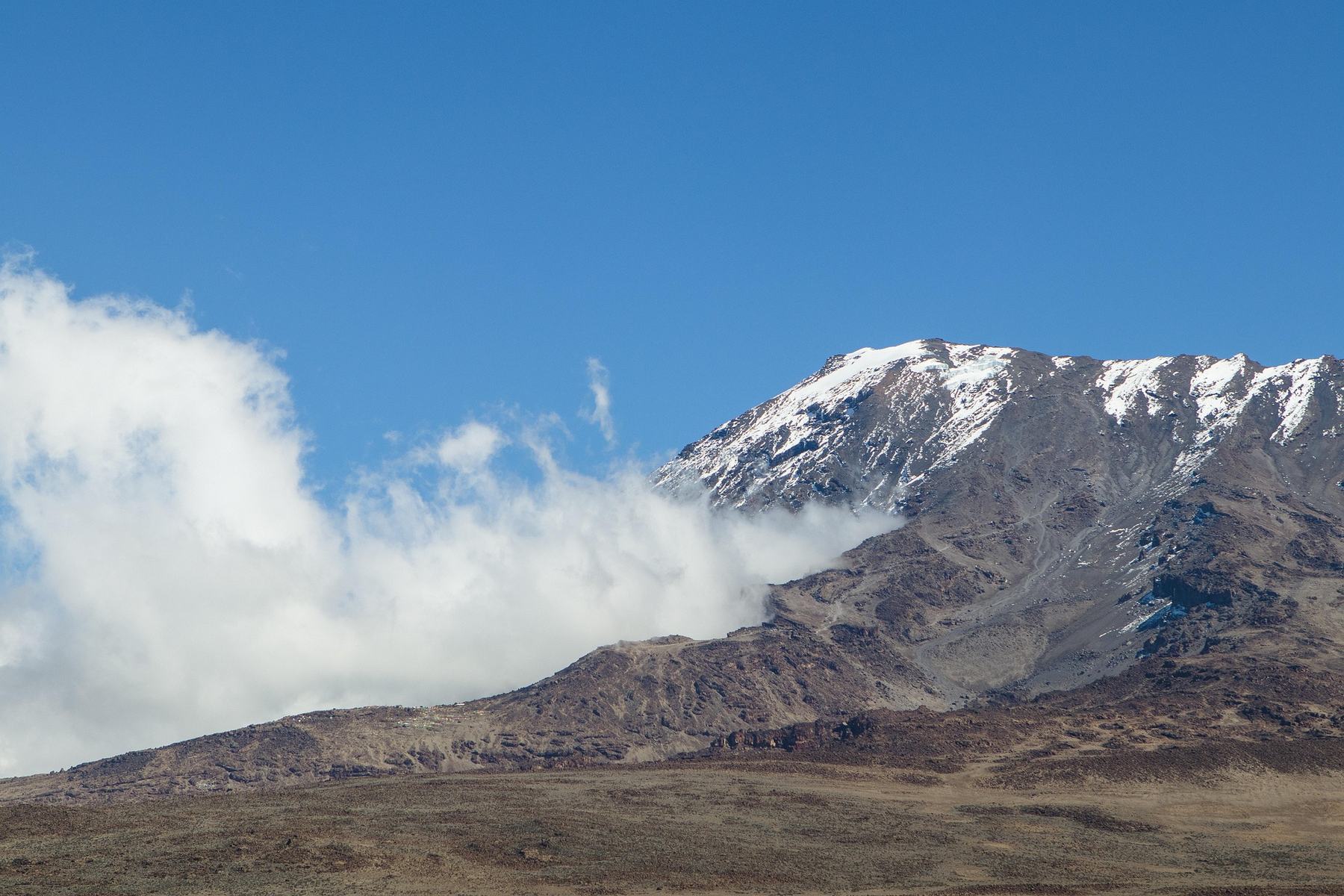
The snow-capped summit of Mount Kilimanjaro

Kilimanjaro

5,895 metres,
and no technical climbing

Seven routes, our own mountain crew, and the acclimatisation days that separate a summit photograph from a story about the weather.

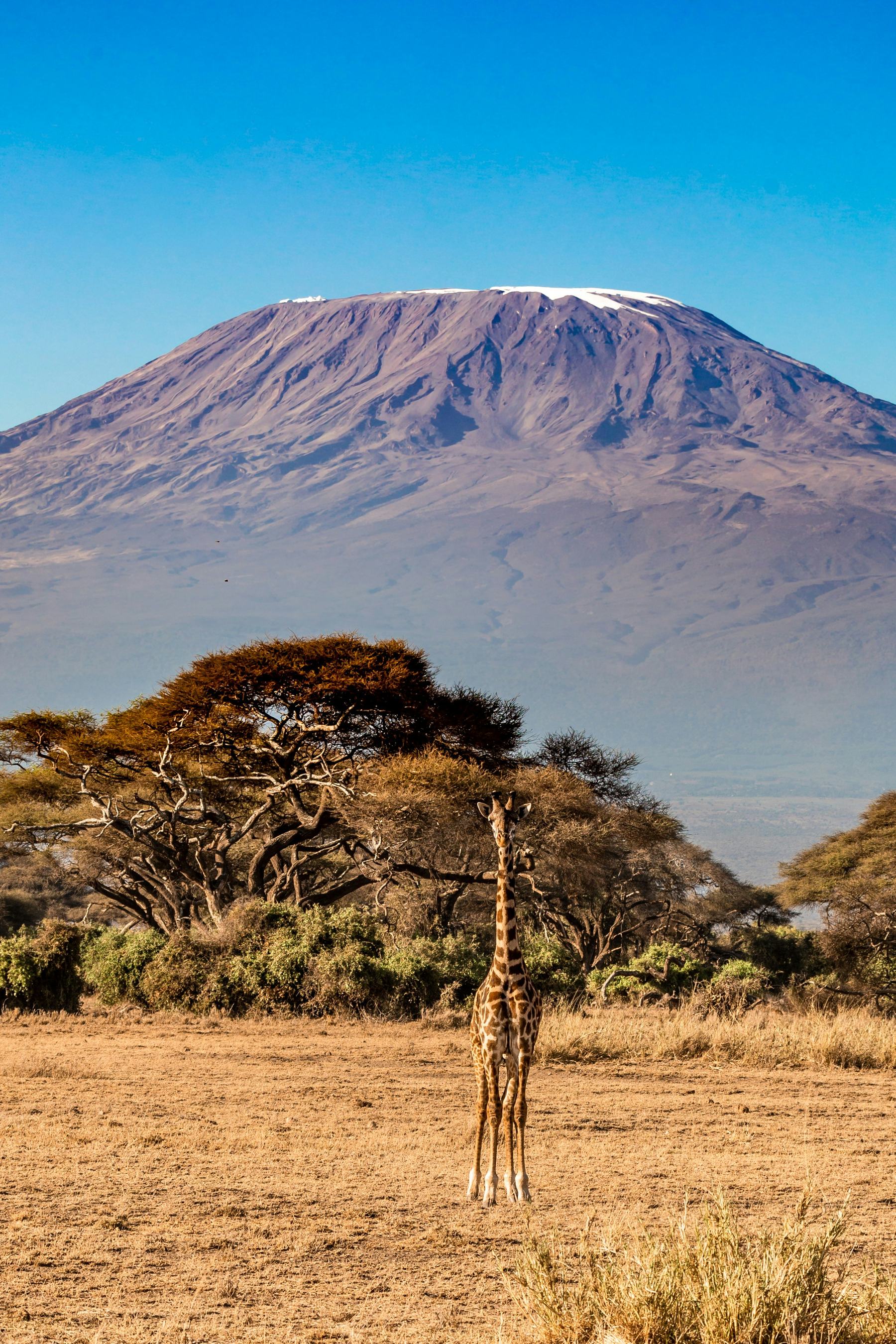
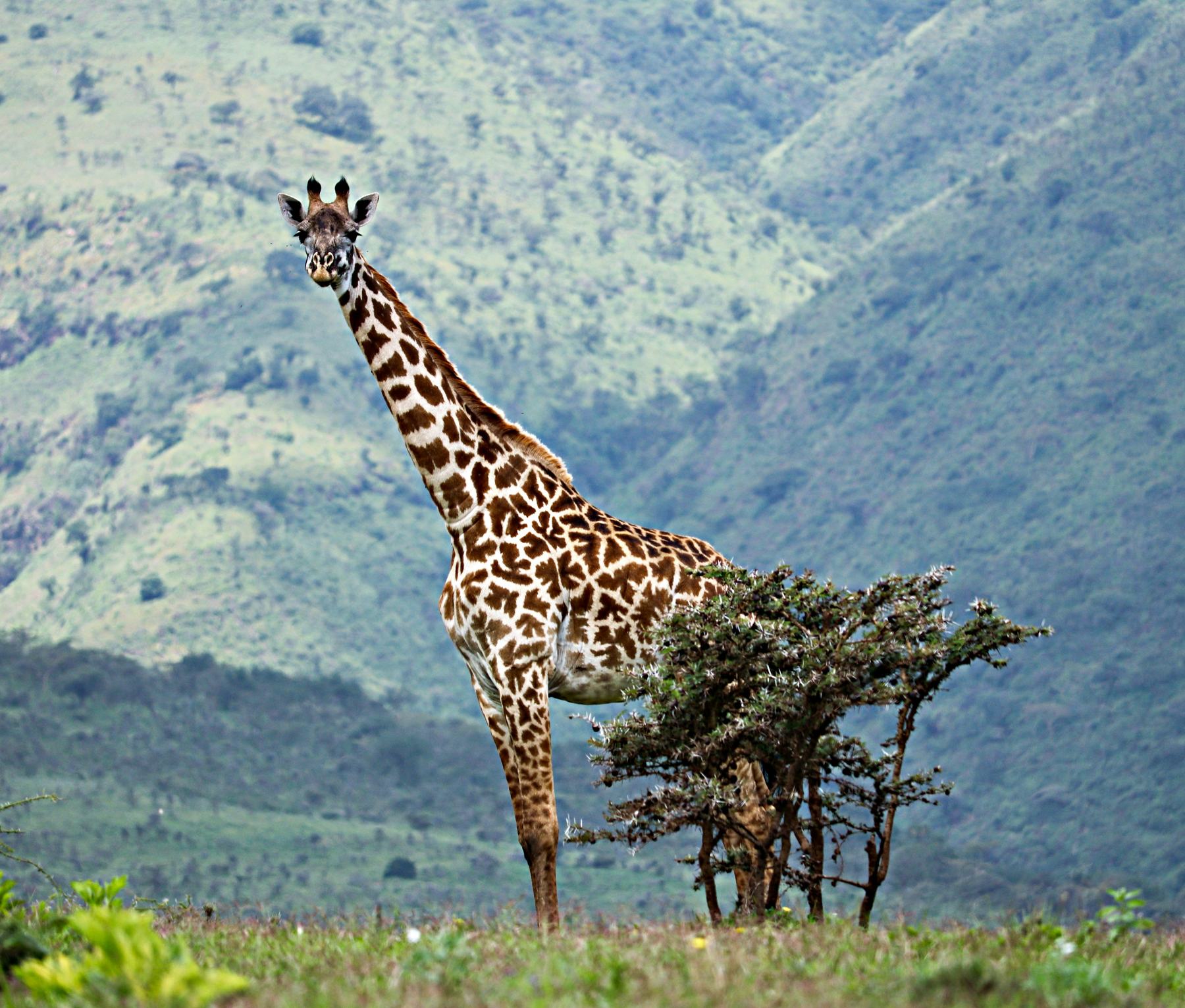
Kilimanjaro rising above the plains with a giraffe in the foreground

The mountain

The highest thing you can walk up

Kilimanjaro is the highest free-standing mountain in the world and the highest point in Africa. There is no rope work, no ice axe and no technical skill required on any of the standard routes. What there is, is altitude — and altitude is the entire game.

You will walk from farmland at 1,800 metres through rainforest, heather and moorland, alpine desert and finally the arctic zone at the crater rim: five ecological zones in under a week, the rough equivalent of walking from the equator to the Arctic Circle. Summit night begins around midnight and ends with sunrise over Mawenzi from Stella Point.

The variable that decides whether you stand on Uhuru Peak is not fitness or willpower. It is the number of nights you spend acclimatising on the way up. Six-day climbs average a 65–70 per cent success rate. Eight-day climbs run above 90. We will always push you towards the extra days.

5,895mUhuru Peak
0Our 8-day Lemosho success rate
1:2Guide to trekker ratio
20kgHard porter load cap

Choose your route

Seven ways up, one summit

Success rates below are ours, not the mountain's average. The national park figure across all routes and operators is closer to 65 per cent.

Lemosho Route8 days
8 daysSummit 90–95%

Lemosho Route

West, via Shira Plateau

Our most-recommended route. Eight days gives you two proper acclimatisation days, and the western approach is the most beautiful walking on the mountain before it joins the southern circuit.

  • Difficulty: Moderate to hard
  • Traffic on the trail: Moderate

$2,690per person, from

Profile
Machame Route7 days
7 daysSummit 85–90%

Machame Route

South, the 'Whiskey Route'

The most popular route on the mountain for good reason: excellent acclimatisation profile, huge scenic variety, and the Barranco Wall on day four. Take the seven-day version, not the six.

  • Difficulty: Moderate to hard
  • Traffic on the trail: Busy

$2,290per person, from

Profile
Northern Circuit9 days
9 daysSummit 95%+

Northern Circuit

West then anti-clockwise around the northern slopes

The newest and longest route, and statistically the one you are most likely to summit on. Nine days, the most gradual acclimatisation available, and northern slopes you will have almost to yourself.

  • Difficulty: Moderate, but long
  • Traffic on the trail: Very quiet

$3,150per person, from

Profile
Rongai Route7 days
7 daysSummit 80–85%

Rongai Route

North-east, from the Kenyan side

The only route that approaches from the north. Drier than the southern routes, so it is the sensible pick in the shoulder rains, and the descent down Marangu means you see two sides of the mountain.

  • Difficulty: Moderate
  • Traffic on the trail: Quiet

$2,490per person, from

Profile
Marangu Route6 days
6 daysSummit 65–70%

Marangu Route

South-east, the 'Coca-Cola Route'

The only route with sleeping huts rather than tents, and the same path up and down. Cheaper and drier underfoot, but the fast ascent profile gives it the lowest summit rate on the mountain. Add the seventh day.

  • Difficulty: Moderate
  • Traffic on the trail: Busy

$2,090per person, from

Profile
Umbwe Route6 days
6 daysSummit 60–70%

Umbwe Route

South, steep and direct

The steepest, most direct line on Kilimanjaro. Spectacular ridge walking through the forest, minimal acclimatisation and a poor summit rate for anyone who has not been high before. We only run it for experienced parties.

  • Difficulty: Hard — experienced trekkers only
  • Traffic on the trail: Very quiet

$2,190per person, from

Profile
Mount Meru4 days
4 daysSummit 90%+

Mount Meru

Arusha National Park, east ridge

At 4,566m, Meru is a serious mountain in its own right and the best acclimatisation walk in Tanzania. An armed ranger walks with you through the lower forest because there are buffalo and elephant on the route.

  • Difficulty: Moderate
  • Traffic on the trail: Quiet

$1,150per person, from

Profile

Day by day

Route profiles and camp altitudes

Our most-recommended route. Eight days gives you two proper acclimatisation days, and the western approach is the most beautiful walking on the mountain before it joins the southern circuit.

Day 1 — Londorossi Gate to Mti Mkubwa, 2,780m

Day 2 — Shira 1 Camp, 3,505m

Day 3 — Shira 2 Camp, 3,850m

Day 4 — Lava Tower 4,630m, descend to Barranco 3,960m

Day 5 — Barranco Wall to Karanga, 3,995m

Day 6 — Barafu Camp, 4,673m

Day 7 — Uhuru Peak 5,895m, descend to Mweka 3,100m

Day 8 — Mweka Gate, 1,640m

The most popular route on the mountain for good reason: excellent acclimatisation profile, huge scenic variety, and the Barranco Wall on day four. Take the seven-day version, not the six.

Day 1 — Machame Gate to Machame Camp, 2,835m

Day 2 — Shira Camp, 3,750m

Day 3 — Lava Tower 4,630m, descend to Barranco 3,960m

Day 4 — Karanga Camp, 3,995m

Day 5 — Barafu Camp, 4,673m

Day 6 — Uhuru Peak 5,895m, descend to Mweka 3,100m

Day 7 — Mweka Gate, 1,640m

The newest and longest route, and statistically the one you are most likely to summit on. Nine days, the most gradual acclimatisation available, and northern slopes you will have almost to yourself.

Day 1 — Londorossi Gate to Mti Mkubwa, 2,780m

Day 2 — Shira 1, 3,505m

Day 3 — Shira 2, 3,850m

Day 4 — Lava Tower, then Moir Hut 4,200m

Day 5 — Buffalo Camp, 4,020m

Day 6 — Third Cave, 3,870m

Day 7 — School Hut, 4,800m

Day 8 — Uhuru Peak 5,895m, descend to Millennium 3,820m

Day 9 — Mweka Gate, 1,640m

The only route that approaches from the north. Drier than the southern routes, so it is the sensible pick in the shoulder rains, and the descent down Marangu means you see two sides of the mountain.

Day 1 — Nalemuru Gate to Simba Camp, 2,625m

Day 2 — Second Cave, 3,450m

Day 3 — Kikelewa Camp, 3,600m

Day 4 — Mawenzi Tarn, 4,330m

Day 5 — Kibo Hut, 4,700m

Day 6 — Uhuru Peak 5,895m, descend to Horombo 3,720m

Day 7 — Marangu Gate, 1,860m

The only route with sleeping huts rather than tents, and the same path up and down. Cheaper and drier underfoot, but the fast ascent profile gives it the lowest summit rate on the mountain. Add the seventh day.

Day 1 — Marangu Gate to Mandara Hut, 2,700m

Day 2 — Horombo Hut, 3,720m

Day 3 — Kibo Hut, 4,700m

Day 4 — Uhuru Peak 5,895m, descend to Horombo 3,720m

Day 5 — Marangu Gate, 1,860m

Day 6 — Moshi and a very long shower

The steepest, most direct line on Kilimanjaro. Spectacular ridge walking through the forest, minimal acclimatisation and a poor summit rate for anyone who has not been high before. We only run it for experienced parties.

Day 1 — Umbwe Gate to Umbwe Cave Camp, 2,940m

Day 2 — Barranco Camp, 3,960m

Day 3 — Karanga Camp, 3,995m

Day 4 — Barafu Camp, 4,673m

Day 5 — Uhuru Peak 5,895m, descend to Mweka 3,100m

Day 6 — Mweka Gate, 1,640m

At 4,566m, Meru is a serious mountain in its own right and the best acclimatisation walk in Tanzania. An armed ranger walks with you through the lower forest because there are buffalo and elephant on the route.

Day 1 — Momella Gate to Miriakamba Hut, 2,514m

Day 2 — Saddle Hut, 3,570m, with an afternoon on Little Meru 3,801m

Day 3 — Socialist Peak 4,566m at sunrise, descend to Miriakamba

Day 4 — Momella Gate and back to Arusha

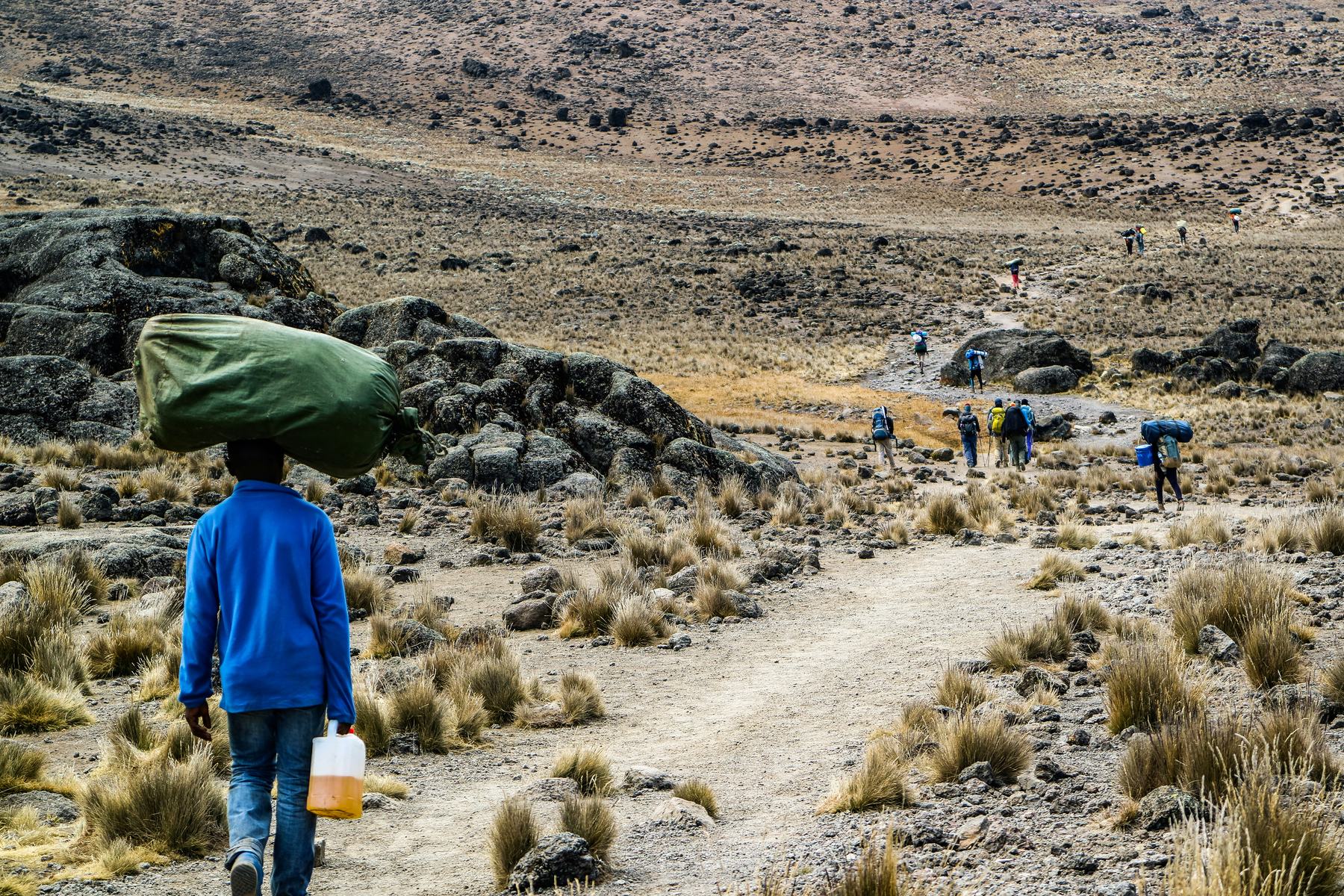
A porter on the trail high on Kilimanjaro

Safety

How we manage altitude

Above about 2,500 metres, thinner air causes headaches, nausea, poor sleep and breathlessness. It affects the fit and the unfit alike, and there is no way to predict who it will hit.

  • Pole pole. Our guides walk slower than you want to. This is deliberate and it is the single largest factor in summit success.
  • Twice-daily health checks. Pulse oximeter readings and a Lake Louise score, recorded morning and evening on a card that goes into your file.
  • Emergency oxygen and a stretcher on every single climb, plus a comprehensive first aid kit and a guide trained in wilderness first response.
  • One guide for every two trekkers. If you need to descend, an assistant guide goes down with you and the rest of the group continues.
  • AMREF Flying Doctors cover registered for every trekker before you reach the gate.

If a guide tells you to go down, you go down. That call is not negotiable and it is not up for discussion at 4,900 metres. It is also the reason we have never had a serious altitude incident.

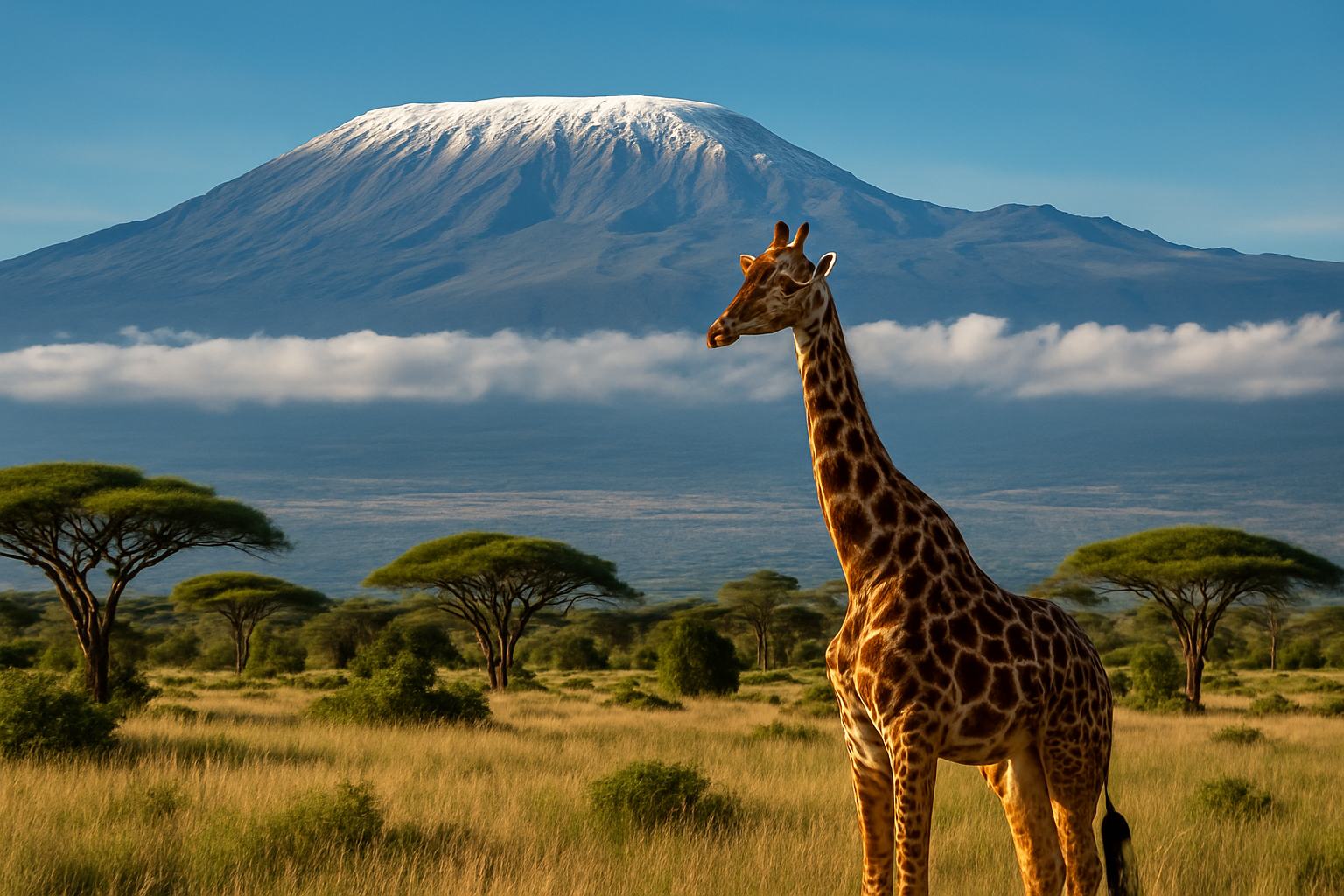
The Kilimanjaro massif seen from the plains below

Our crew

The people who carry the mountain

A seven-day climb for two trekkers involves around fourteen people: two guides, a cook, and eleven porters carrying tents, food, water, cooking gear and your duffel bag. How an operator treats that crew is the clearest signal you will get about how it operates generally.

We are a partner of the Kilimanjaro Porters Assistance Project, which independently audits wages, loads and conditions. Loads are capped at 20kg. Every porter is paid above the KPAP-recommended rate, in full and directly. Three meals a day, proper sleeping tents, and boots, jackets and gloves from our gear store for anyone who arrives without them.

Ask any of our crew about this at the gate. They will tell you the truth, and we would rather you checked.


Included

What the price covers

  • Kilimanjaro National Park entry, camping and rescue fees
  • All meals on the mountain, cooked fresh, and purified drinking water
  • Four-season mountain tents, sleeping mats and a private toilet tent
  • A KPAP-compliant crew: guides, cook and porters, fairly paid and properly equipped
  • Twice-daily health checks with pulse oximeter and a Lake Louise score card
  • Emergency oxygen, a stretcher and a comprehensive first-aid kit on every climb
  • Two nights' hotel in Moshi or Arusha, before and after the climb
  • Airport transfers from Kilimanjaro International (JRO)

Not included

What it does not

  • International flights and your Tanzania visa
  • Travel and evacuation insurance covering trekking to 6,000m — mandatory
  • Personal trekking gear, though we rent everything at the office
  • Tips for the mountain crew (we publish a suggested scale in your dossier)
  • Portable altitude chambers and personal oxygen systems, on request

Gear hire in Arusha

We keep a full rental store at the office: down jackets, four-season sleeping bags, poles, gaiters, headtorches and duffels. Nobody needs to buy a US$600 jacket for one week on a mountain.

Timing

When to climb

January to mid-March is warmer and quieter, with a good chance of snow on the crater rim and clear mornings. June to October is the driest and busiest window, with the most stable summit conditions of the year.

Avoid the long rains from late March through May, when the southern routes turn to deep mud. November's short rains are more forgiving, and the Rongai route on the northern side stays workable throughout.

Jan
Feb
Mar
Apr
May
Jun
Jul
Aug
Sep
Oct
Nov
Dec
Prime time Good, fewer vehicles Green season · lowest rates

Climbing conditions on Kilimanjaro through the year.

Uhuru Peak

Give yourself the extra days

Tell us your dates and your walking background and we will tell you honestly which route to take — and how many days you need on it.