 6 days
The Nayara Classic
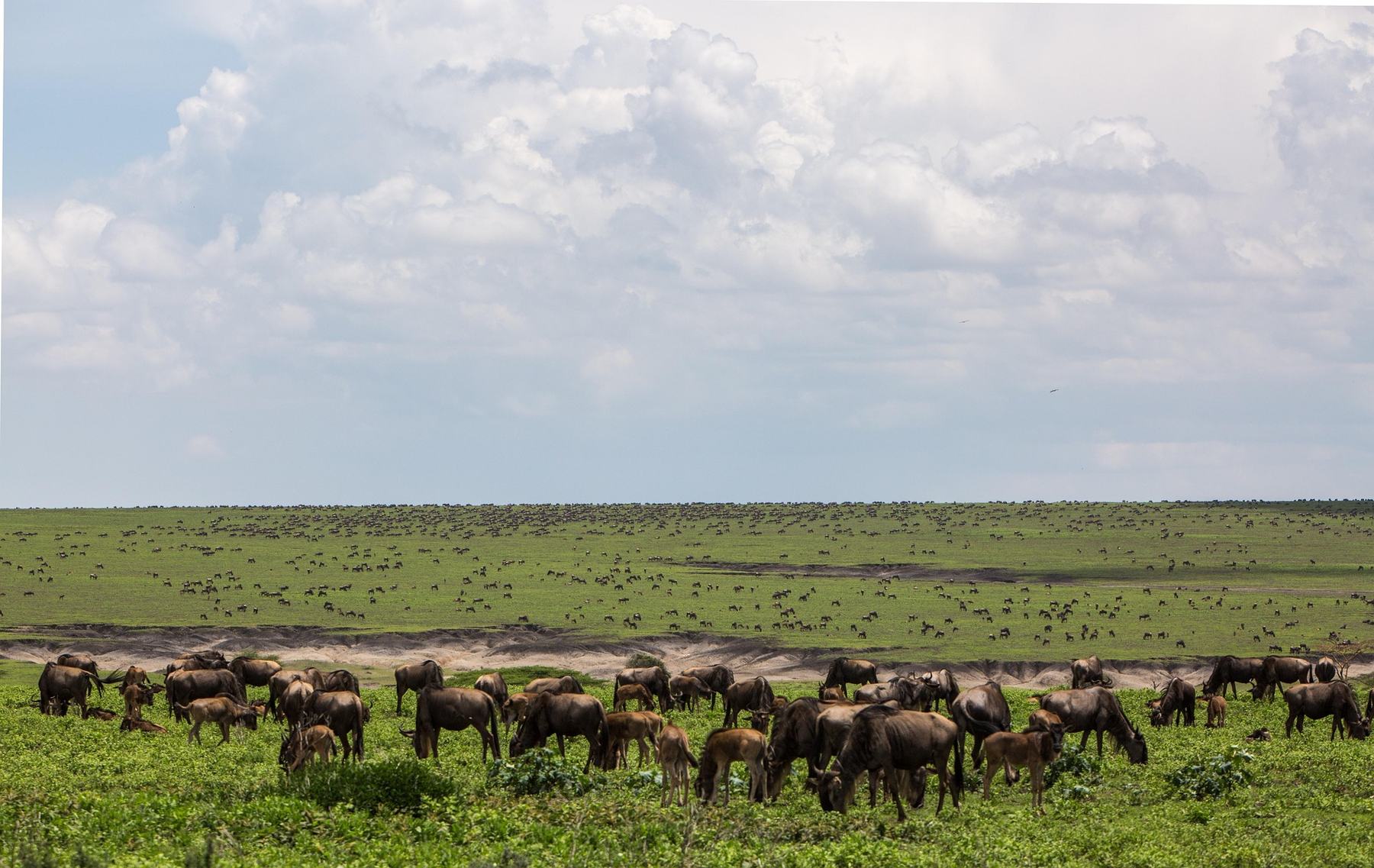
Tarangire's elephants, the Ngorongoro Crater floor and two full days in the central Serengeti. If you have one week and one shot at…
$2,780per person, from
View

The crater
The world's largest intact volcanic caldera, holding around 25,000 large animals on a 260 km² floor.
Size
8,292 km² conservation area · 260 km² crater floor
Established
1959 · UNESCO World Heritage Site
Getting there
3.5 hours from Arusha
Known for
Black rhino, lion, elephant, buffalo, hippo, flamingo, golden jackal, over 500 bird species
The place
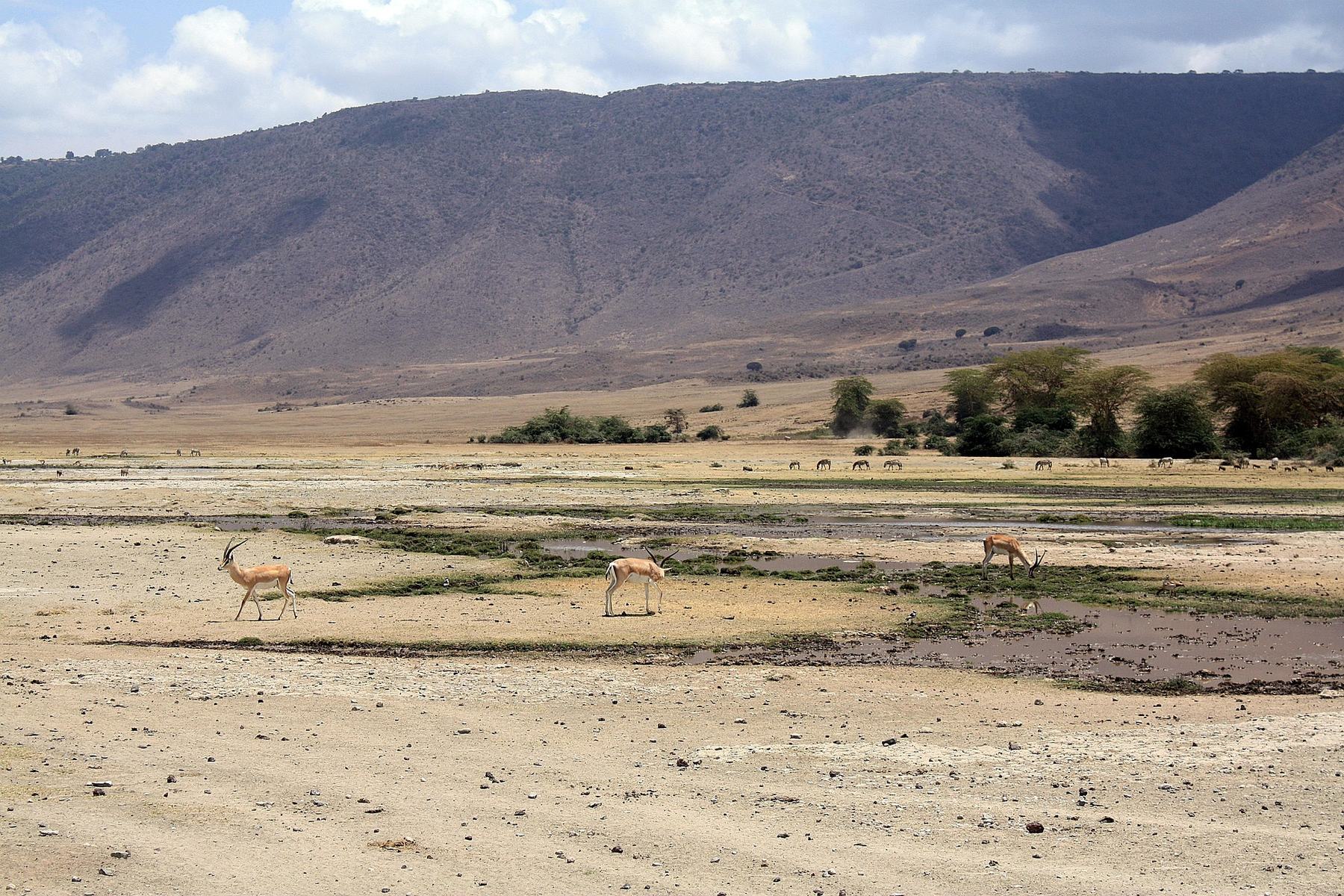
Two to three million years ago a volcano the size of Kilimanjaro collapsed in on itself, leaving a caldera 19 kilometres across with walls 400 to 610 metres high. The floor is a self-contained world: grassland, a soda lake, a fever-tree forest and a permanent swamp, holding somewhere near 25,000 large animals that mostly never leave. It is the single most reliable big-game day in East Africa and, in high season, also the most trafficked. We get you down there at the 06:30 gate opening, which is the whole trick.
Why go
One of the last places in Tanzania with a realistic chance of seeing critically endangered eastern black rhino, usually out on the Lerai flats in the early morning.
Lion, elephant, buffalo, hippo and rhino within a couple of hours on a floor you could drive across in forty minutes.
Maasai families hold grazing rights inside the conservation area — you will pass herders and cattle on the crater rim road, as has happened here for centuries.
Thirty minutes away, where the Leakeys found hominin remains going back 1.9 million years. The rebuilt museum is genuinely good.
The ground
Where you sleep inside a park matters more than most people realise. These are the distinct areas and what each is good for.
Lodges on the crater rim buy you the shortest possible run to the descent road and a view you will not forget. Karatu, thirty minutes down the hill, is better value and warmer at night. Both work; it depends on what the morning is worth to you.
Six hours maximum per permit. Lerai forest, Ngoitokitok springs, Lake Magadi and the Munge river mouth.
A steep forest descent to a flamingo-covered soda lake, walked with an armed ranger. Almost nobody goes.
A gentle highland walk from Nainokanoka, all grassland and Maasai cattle.
Palaeoanthropology and a slow-moving crescent dune of black volcanic ash.
Inside the conservation area, and the calving grounds — where off-road driving is still permitted.
When to visit
Almost always visited between the Serengeti and Tarangire or Lake Manyara. Add Lake Eyasi for the Hadzabe, or Empakaai if you want to walk.
Gallery
Trips that include it
6 days
Tarangire's elephants, the Ngorongoro Crater floor and two full days in the central Serengeti. If you have one week and one shot at…
$2,780per person, from
View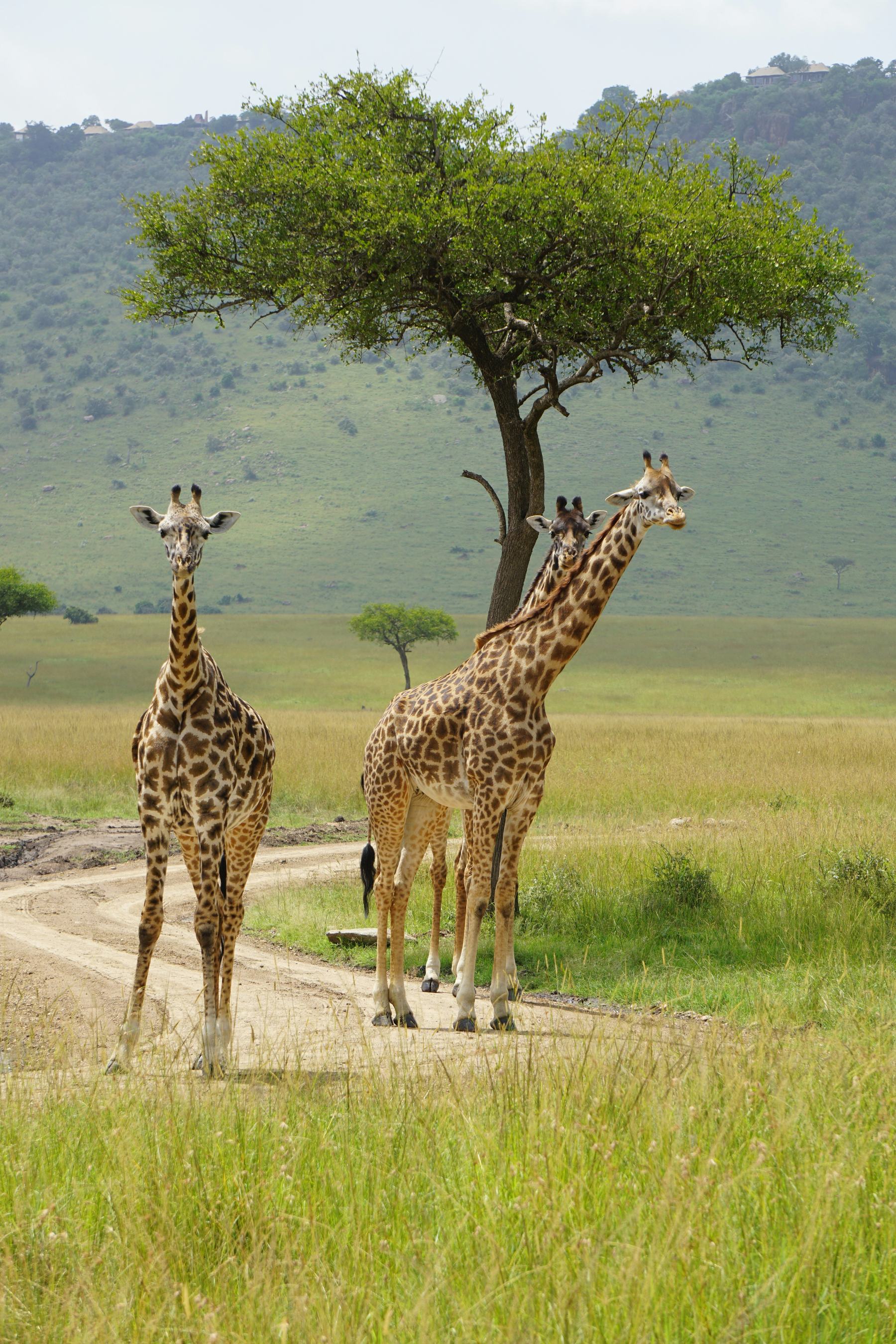 4 days
The shortest route that still does the northern circuit justice: Manyara's forest, Tarangire's elephants and a full morning on the…
$1,340per person, from
View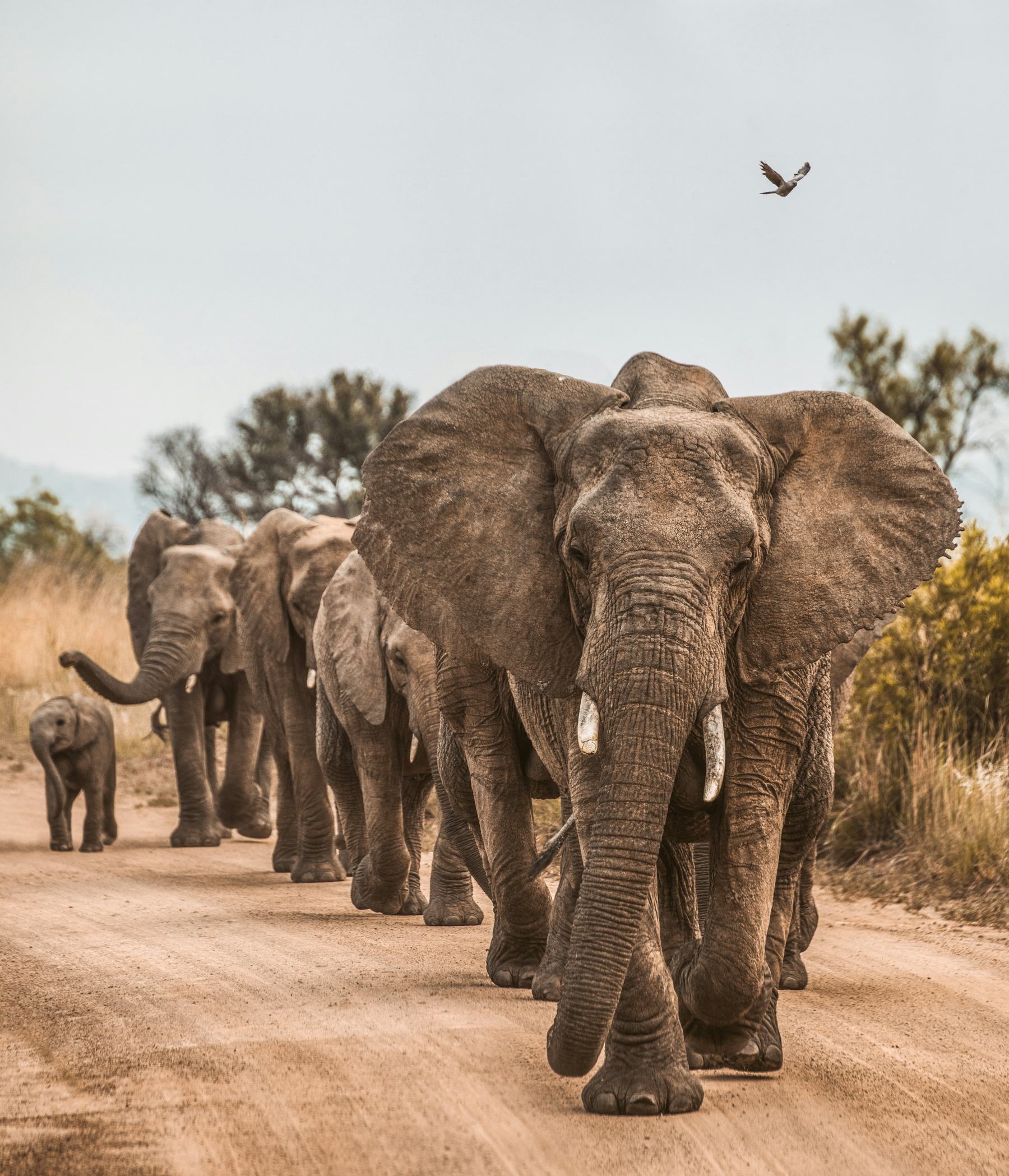 7 days
Shorter drives, camps with pools, guides who are good with children, and a pace that leaves room for a swim at three o'clock. Built…
$2,980per person, from
ViewKeep exploring
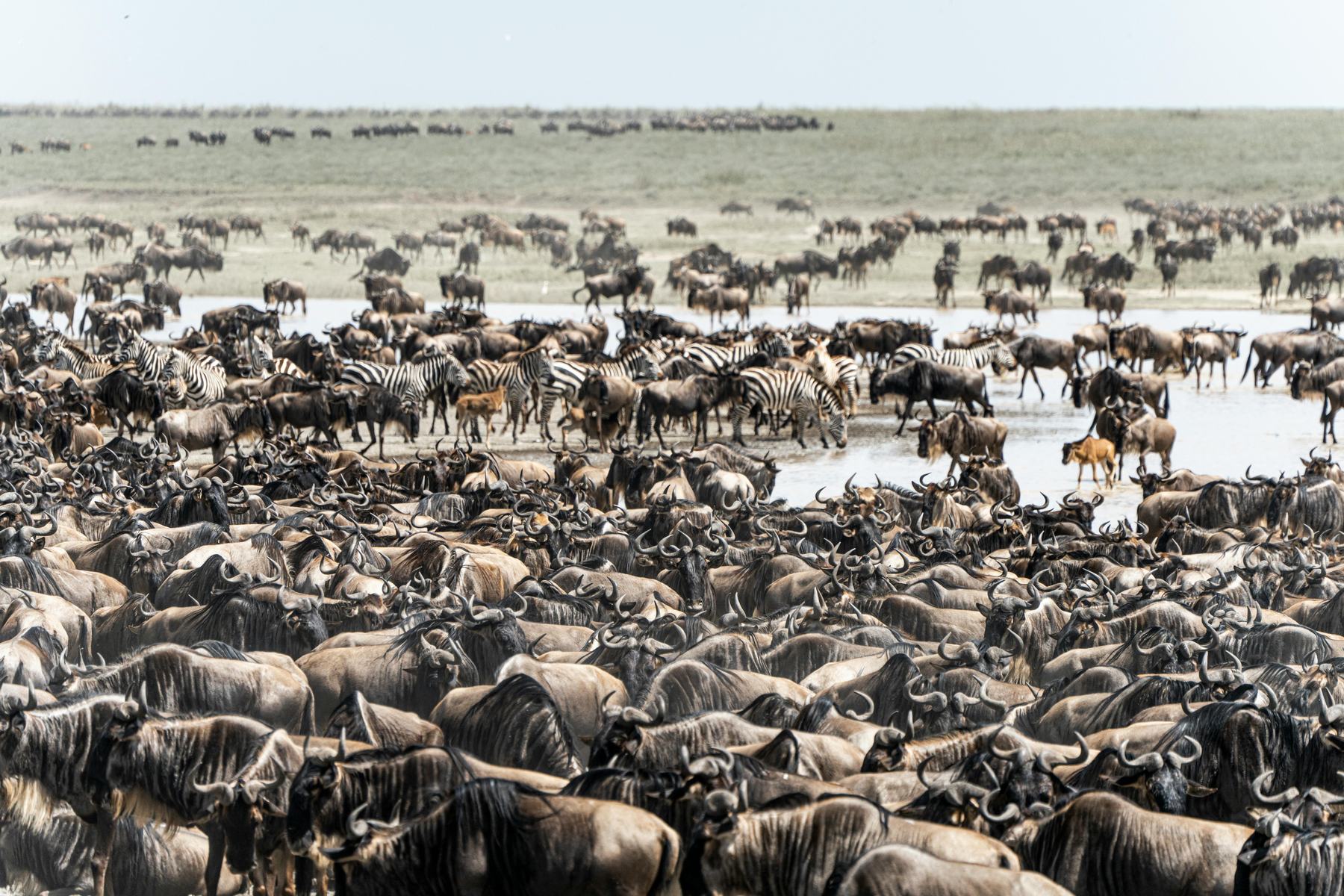
14,763 km² of grass, granite kopjes and the greatest terrestrial mammal migration on earth.
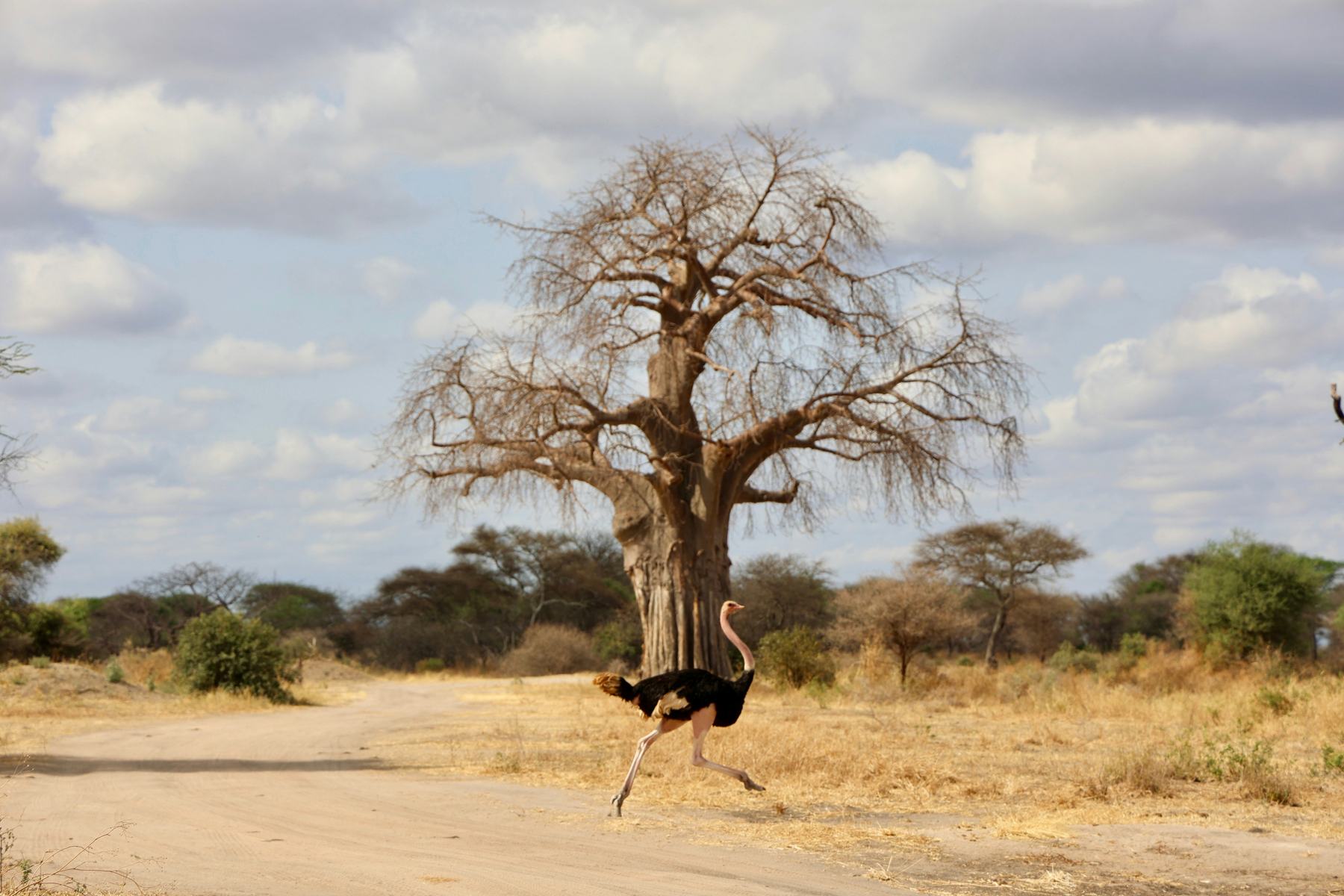
2,850 km² of baobab country holding the densest dry-season elephant population in northern Tanzania.
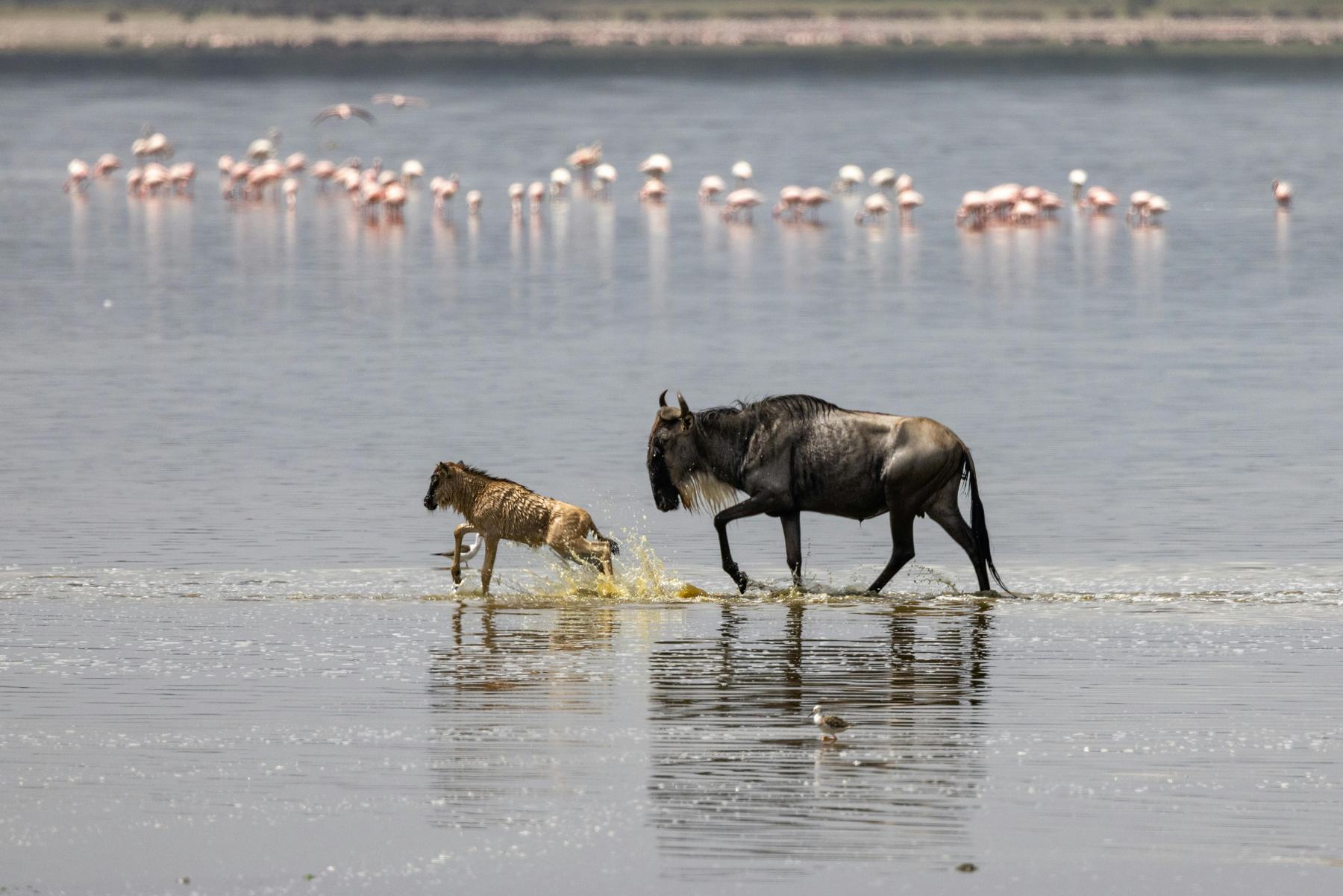
A narrow 330 km² strip between the Rift wall and an alkaline lake — and a park you can walk, cycle and drive at night.
Go there
Tell us how long you have and we will show you how Ngorongoro fits into a route that works — and how many nights it really deserves.